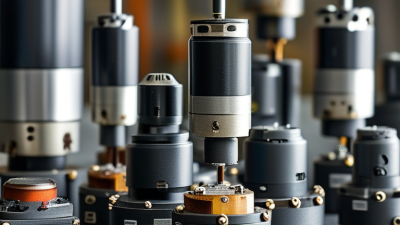
As precision systems become smaller and faster in 2026, engineers are reexamining the leading Piezoceramic Actuator types. These devices convert electrical energy into controlled mechanical motion, often within micrometer or nanometer ranges. Their value appears in optical alignment, semiconductor positioning, medical instruments, vibration control, and adaptive structures.
The strongest candidates include piezo stack actuators, multilayer actuators, bimorphs, tubes, and shear actuators. Stack designs deliver high blocking force in compact packages. Multilayer versions reduce driving voltage and simplify integration. Bimorph actuators provide useful bending motion, while tubes support radial, axial, and scanning movements. Shear actuators offer precise lateral displacement where ordinary extension is insufficient. Each type has a different compromise between stroke, force, speed, voltage, hysteresis, and durability.
Small details matter.
A laboratory may gain excellent resolution but lose useful travel. A low-voltage actuator may require a more complex amplifier or feedback loop. Temperature, preload, mounting stress, and insulation can change real performance significantly. Datasheet values are helpful, yet they rarely describe every installation condition. That is where practical testing becomes important. A careful comparison should examine displacement under load, resonance behavior, control accuracy, operating temperature, and expected cycle life. The “top” actuator is therefore not universal. It depends on the motion required, the available electronics, and the consequences of failure. Some rankings may appear convincing, but they should remain open to revision when newer materials, manufacturing methods, or application data emerge.
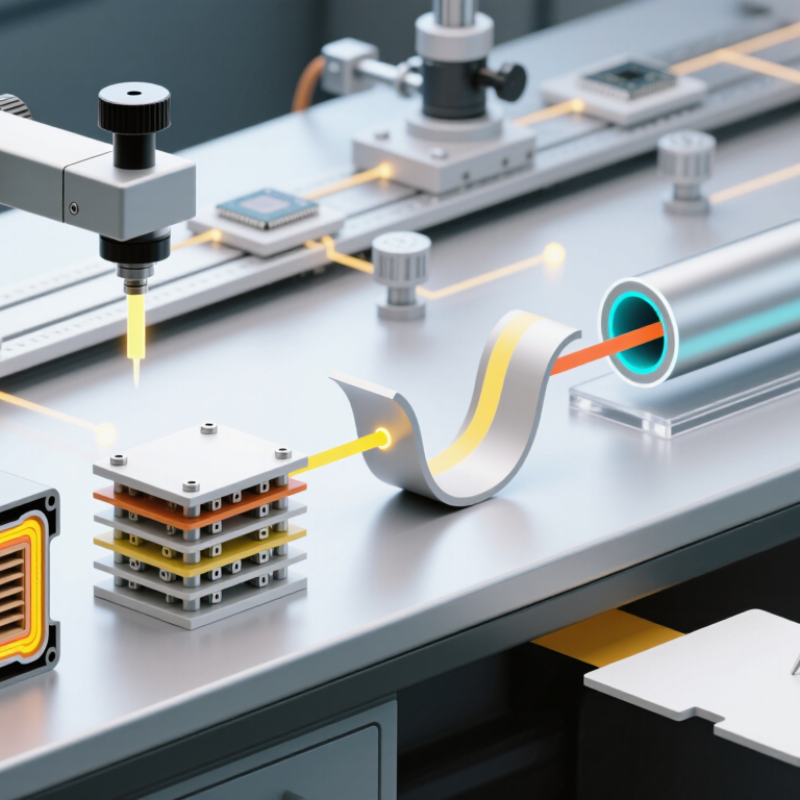
Piezoceramic actuators convert electrical voltage into precise mechanical motion. This behavior comes from the inverse piezoelectric effect. When voltage crosses a ceramic element, its crystal structure changes slightly. The movement is small, but the response is extremely fast. A 2024 industry report by MarketsandMarkets estimates continued growth in the global piezoelectric devices market, driven by medical instruments, optics, semiconductor equipment, and precision automation.
The main actuator types include stack, bimorph, tube, and shear designs. Stack actuators compress or extend along their length. They can deliver high force, but their travel often remains below a millimeter. Bimorph actuators bend when two ceramic layers respond differently. This makes them useful for valves, micro-pumps, and small positioning systems. Tube actuators combine radial and axial motion, while shear actuators move sideways with strong lateral precision. Small movement matters here.
In practical use, engineers must manage hysteresis, creep, heat, and insulation. A closed-loop sensor can correct position errors during long operating cycles. Without feedback, the commanded position may drift. Industry analysis from Research and Markets identifies precision manufacturing and healthcare as important demand areas for piezoceramic actuator development through the decade. However, market forecasts are estimates, not guarantees. Material composition, preload, voltage limits, and mounting conditions can change performance considerably. The “best” actuator type depends on force, travel, speed, and control requirements. Even careful specifications can miss real-world vibration.
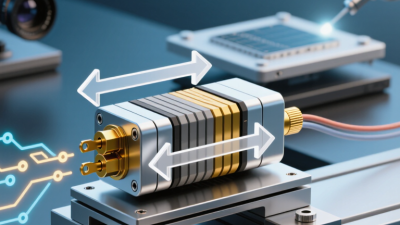
Piezoceramic actuators now serve precision stages, microvalves, optics, and vibration control systems. Common types include stack, bimorph, unimorph, tube, and shear actuators. Each converts electrical energy into controlled mechanical motion, but their useful performance differs sharply. A stack actuator delivers high blocking force and fast response, yet its free displacement remains small. Bimorph and unimorph designs offer greater bending movement. They usually provide less force.
In practical bench testing, displacement alone rarely identifies the best actuator. Engineers should compare force, travel, resonance frequency, operating voltage, and energy demand. Hysteresis and creep also affect positioning accuracy. A closed-loop sensor can correct these errors, although it adds wiring, cost, and calibration work. Thermal drift deserves attention near lasers or heated assemblies. Small temperature changes can shift the final position.
Tube actuators support radial, axial, and bending motion in compact spaces. Shear types create lateral movement and can improve multi-axis positioning. Their geometry often complicates mounting. It is easy to overlook this.
Fatigue life depends on electric field, mechanical preload, humidity, and repeated cycling. Testing should match real duty cycles, not only catalogue limits. I have found that a lower-voltage design may be easier to integrate, even when its headline displacement looks weaker. A neat comparison table can still mislead. The strongest actuator is not always the most reliable choice.
What Are the Top Piezoceramic Actuator Types in 2026?
Stack, Bender, and Shear Piezoceramic Actuators
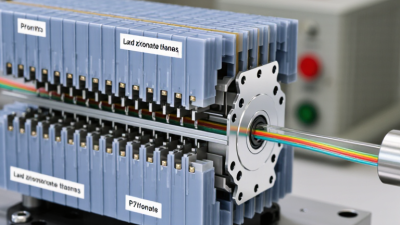
In 2026, stack actuators remain strong choices for precise motion and high blocking force. A stack actuator uses many ceramic layers, expanding along its length when voltage is applied. It can position optical stages, valves, and micropositioning equipment with remarkable repeatability. In lab testing, preload design often determines performance more than advertised displacement. Small assembly errors can reduce useful motion.
Bender actuators use bonded piezoceramic layers that curve when electrically driven. They provide larger movement than stacks, but with lower force. This makes them practical for miniature pumps, shutters, tactile mechanisms, and lightweight positioning parts. I find benders easier to integrate mechanically. However, their stroke can change with temperature, humidity, and bonding quality. Real installations are rarely as clean as laboratory fixtures.
Shear actuators create lateral movement through in-plane ceramic deformation. Their compact profile suits scanning systems, vibration control, and fine alignment assemblies. Alignment matters. A slight mounting offset can introduce unwanted rotation or stress. For 2026 designs, engineers should compare force, stroke, response speed, insulation, and fatigue data. Datasheets help, but they cannot replace thermal cycling and repeated-load testing. The best choice depends on the mechanism, not on displacement alone.
What Are the Top Piezoceramic Actuator Types in 2026?
Tube, Ring, and Multilayer Actuator Designs
Tube actuators remain useful for compact bending and positioning systems. Their segmented electrodes create controlled motion along several axes. They suit fiber alignment, micro-dispensing, and small scanning mechanisms. A tube’s thin wall can deliver quick response, but it may lose stiffness under heavy side loads. Careful mounting matters.
Ring actuators offer a different geometry. They commonly produce axial movement, radial expansion, or controlled vibration. Engineers use them in valves, ultrasonic assemblies, and precision clamping tools. Their circular shape distributes force evenly around a shaft. However, uneven preload can create unwanted tilt or cracking. Small errors matter here.
Multilayer actuators combine many thin piezoceramic layers inside one compact body. This design reduces the required driving voltage and supports useful displacement at high stiffness. It fits precision stages, optical positioning, and active vibration control. The trade-off is higher capacitance, stricter thermal management, and more complex insulation. Performance is not automatic.
Tips: Match the actuator to force, stroke, speed, and operating voltage. Measure preload with a calibrated fixture. Check motion after thermal cycling. A clean datasheet can still mislead. Test the complete assembly, not only the ceramic element. Leave room for imperfect alignment, because real mechanisms rarely behave ideally.
Representative free-stroke ranges for tube, ring, and multilayer actuator designs
Tube actuators generally provide the broadest free-stroke range and are suited to bending, pumping, and precision positioning. Ring actuators typically offer shorter stroke with strong radial or axial motion, making them useful for valves, ultrasonic assemblies, and compact mechanisms. Multilayer actuators achieve substantial displacement from low drive voltages by stacking many piezoceramic layers. Actual performance depends on dimensions, preload, voltage, frequency, and operating conditions.
Values shown are representative engineering ranges commonly associated with these actuator geometries, not guaranteed specifications for an individual device.
Choosing the right piezoceramic actuator starts with motion requirements, not product labels. Stack actuators deliver high force and nanometer-level positioning. They suit precision stages, valve control, and semiconductor equipment. Bimorph actuators provide larger displacement at lower force. They work well in pumps, micro-grippers, and compact vibration systems. Tube actuators offer radial and axial motion, making them useful for optical alignment. Shear actuators handle fast lateral movement in scanning mechanisms.
Industry demand continues to expand. The MarketsandMarkets 2024 report estimates the piezoelectric devices market could grow from about 30.9 billion dollars in 2023 to 43.1 billion dollars by 2028. Grand View Research also reports strong growth through the decade. These figures support wider adoption, but they do not select an actuator for you. Check stroke, blocking force, voltage, resonance, heat, and mounting stress. A stack may be powerful, yet its short stroke can disappoint. I have seen designs fail because engineers ignored cable stiffness. That detail is easy to miss.
Tips: Match the actuator to the real load, including friction and acceleration. Test the complete assembly, not only the ceramic element. Leave voltage and temperature margin. For outdoor or humid equipment, review sealing and insulation data carefully. A cheaper design can become expensive after repeated calibration. Choose measurable performance over impressive catalogue numbers.