2026 Best Piezo Motion Suppliers for Global Buyers?
Choosing a reliable Piezo Motion supplier in 2026 requires more than comparing catalog prices. Global buyers need stable performance, documented quality, responsive engineering, and realistic delivery commitments. A supplier may show excellent positioning accuracy, yet provide limited information about lifetime testing or thermal drift. That gap matters in semiconductor tools, microscopy stages, optical alignment systems, and precision automation.
This guide examines leading Piezo Motion suppliers through practical purchasing criteria. These include displacement range, nanometer resolution, hysteresis control, load capacity, operating temperature, controller compatibility, and repeatability. It also considers manufacturing experience, technical support, quality systems, and international logistics. Buyers should review calibration reports, product drawings, sample test data, and clearly stated warranty terms before placing an order. Small details can reveal large risks.
No ranking is perfect.
Supplier capabilities can change during the year. Production capacity, component availability, regional service, and export documentation may differ between markets. Therefore, this overview is designed as a dependable starting point, not a substitute for technical validation. Experienced buyers should request application-specific recommendations and test critical components under actual operating conditions. A motion stage that performs well in a clean laboratory may respond differently beside vibration, heat, or electromagnetic noise.
The selected companies are discussed with an emphasis on verifiable expertise and practical buyer value. Their strengths may range from custom actuator design to complete multi-axis platforms. Some offer impressive flexibility but need closer review of lead times. Others provide strong documentation but fewer customization options. Careful comparison remains essential for a confident 2026 sourcing decision.
What Is Piezo Motion Technology and Where Is It Used?
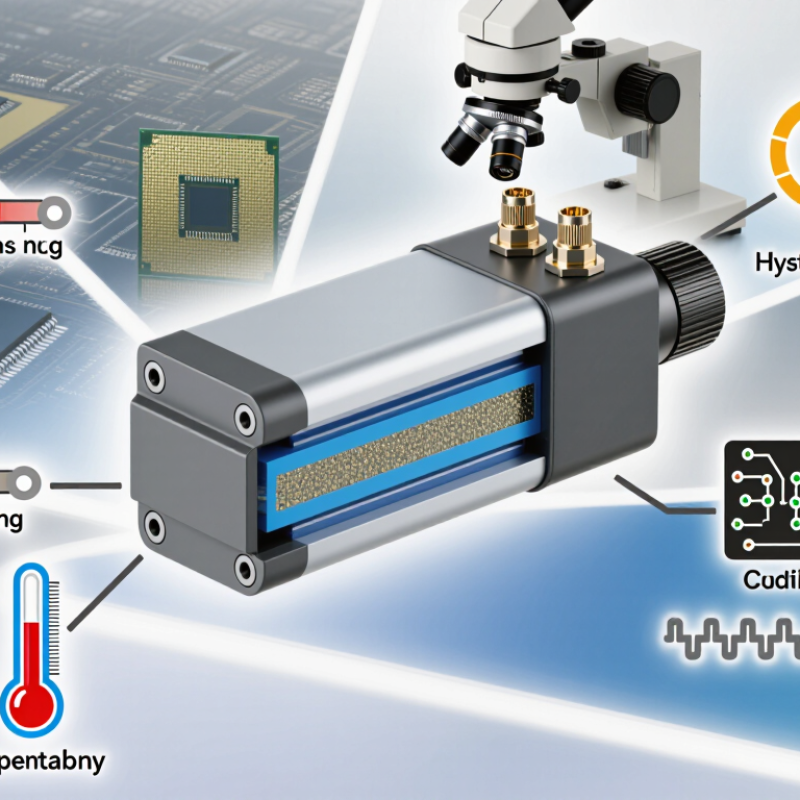
Piezo motion technology converts electrical voltage into extremely small mechanical movement. It relies on piezoelectric materials that deform when an electric field passes through them. The displacement may measure only nanometers or micrometers, yet its positioning accuracy can be remarkable.
These systems are used where smooth, controlled movement matters. Semiconductor equipment uses them for wafer alignment and precision inspection. Optical instruments use piezo stages to adjust lenses, mirrors, and fiber connections. In microscopy, they move samples without noticeable vibration. Medical imaging devices can use similar mechanisms for fine focusing and scanning. Manufacturing systems also apply them to laser processing, micro-assembly, and surface measurement.
Piezo motion is fast. Very fast.
It also produces no traditional motor friction, which can improve repeatability. However, it is not a perfect solution. Travel ranges are usually limited, and performance can change with temperature, preload, and electrical noise. Some materials also show hysteresis, so the actual position may not match the commanded voltage. Closed-loop sensors help correct this problem, but they increase system cost and complexity.
For global buyers, supplier evaluation should include measured accuracy, operating temperature, controller compatibility, and long-term testing records. A polished data sheet is useful, but practical test results matter more. Ask how calibration is performed, how replacement parts are supported, and whether engineering teams can review your application. A small mismatch in load or mounting design can reduce performance quickly.
Key Criteria for Evaluating Global Piezo Motion Suppliers
Global buyers should evaluate piezo motion suppliers beyond quoted price and advertised resolution. MarketsandMarkets’ 2023 report estimated the piezoelectric devices market at USD 31.6 billion, with growth toward USD 40.9 billion by 2028. This expansion increases supplier choice, but also increases comparison risk. Request measured data for travel range, repeatability, hysteresis, settling time, load capacity, and thermal drift. A resolution figure alone proves little.
Check whether performance results come from calibrated equipment and controlled conditions. ISO/IEC 17025-accredited laboratories provide stronger measurement confidence. Ask for calibration records, uncertainty values, environmental limits, and test temperatures. For demanding stages, examine closed-loop feedback, sensor lifetime, cable design, and resonance behavior. The 2024 World Robotics report recorded over 500,000 industrial robot installations in 2023, showing why stable, high-cycle motion hardware matters in automated production.
Supplier reliability also requires practical evidence. Review historical lead times, engineering-change procedures, spare-part availability, and failure-analysis reports. ISO 9001 certification supports process consistency, but it does not guarantee motion accuracy. That distinction is often missed. Compare pilot samples under your actual payload, duty cycle, and temperature range. A spreadsheet can hide integration effort. No scorecard is perfect. Leave room for technical support, documentation quality, and honest disclosure of limitations. A supplier that explains drift clearly may deserve more trust than one promising flawless performance.
2026 Best Piezo Motion Suppliers for Global Buyers
This 100-point scorecard highlights the key criteria global buyers commonly use when evaluating piezo motion suppliers. Performance metrics include positioning accuracy, repeatability, travel range, dynamic response, load capacity, environmental compatibility, documentation, and worldwide support. The weighting is a practical procurement reference rather than a ranking of any specific company or brand.
Top Piezo Motion Suppliers to Consider in 2026
Top Piezo Motion Suppliers to Consider in 2026
Selecting a piezo motion supplier requires more than comparing travel ranges. Buyers should examine positioning resolution, repeatability, stiffness, resonance frequency, and load capacity. A supplier with clear test methods inspires greater confidence. Specifications can mislead. Some values apply only under ideal laboratory conditions.
Reliable suppliers provide detailed drawings, controller compatibility data, calibration records, and realistic delivery estimates. Ask whether the actuator supports closed-loop feedback for long-term stability. For microscopy, semiconductor inspection, and precision optics, thermal drift can affect results within hours. Vacuum or cleanroom projects also require suitable materials, cable designs, and documented outgassing performance. Support matters too. Engineers need practical answers before integration, not generic sales language after installation.
A useful 2026 shortlist
A useful 2026 shortlist should include suppliers with consistent quality control and responsive application engineering. Request sample data under your expected load, speed, and operating temperature. Compare measured performance, not only catalog promises. I have found that small connector details can delay an entire assembly. This point is easy to overlook. Also review repair policies, spare-part availability, and software documentation before placing a large order. No supplier is perfect, and even strong candidates may provide incomplete lifetime data. Treat that gap as a question, not an automatic rejection. Testing one unit before production remains a sensible safeguard.
What Global Buyers Should Check Before Placing an Order
2026 Best Piezo Motion Suppliers for Global Buyers?
Before placing an order, global buyers should test the supplier’s evidence, not only the product brochure. Grand View Research’s 2024 piezoelectric devices report projects roughly 7% annual market growth through 2030. That expansion attracts capable manufacturers and weaker resellers. Ask for measured travel, resolution, hysteresis, stiffness, resonant frequency, and load data. Check whether the figures apply at your voltage, temperature, and mounting condition. They often do not.
Request a recent calibration report with instrument details and traceable references. Review inspection records for batch consistency, cable insulation, connector quality, and preload control. For vacuum or cleanroom use, ask about outgassing tests and material declarations. For long duty cycles, require endurance results, not optimistic cycle estimates. A supplier claiming nanometer resolution should explain the sensor, controller, bandwidth, and environmental limits. Resolution alone is not positioning accuracy.
Supply reliability deserves equal attention. The World Bank’s 2023 Logistics Performance Index shows that international delivery performance varies widely between economies. Confirm production lead time, spare-unit availability, export documents, packaging, and warranty response times. Ask for a sample unit before approving volume production. A polished audit can still miss small problems. I would also compare two suppliers using identical test conditions; this step is easy to overlook, and my own preference for impressive specifications can distort judgment.