2026 Top Active Piezo Buzzer Manufacturers and Suppliers
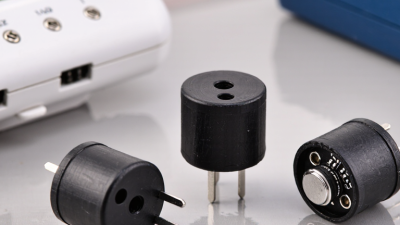
The 2026 Top Active Piezo Buzzer Manufacturers and Suppliers guide examines a compact component with a surprisingly broad industrial reach. Active Piezo Buzzer devices contain built-in oscillation circuits, producing sound from a simple DC voltage. They appear in control panels, medical equipment, appliances, vehicles, alarms, and smart security products. Their small black housings often hide critical differences in loudness, frequency stability, current consumption, and sealing performance.
Market evidence requires careful reading. Grand View Research and MarketsandMarkets publish broader piezoelectric device forecasts, but neither report isolates every active buzzer shipment. Their findings still indicate expanding demand across automotive electronics, industrial automation, and connected devices. Supplier claims should therefore be checked against test conditions. A stated 85 dB rating may depend on distance, voltage, frequency, and mounting surface. Small details matter.
Kenji Uchino, a widely recognized piezoelectricity researcher, explains the operating principle clearly: “Piezoelectricity is the ability of certain materials to generate an electric charge in response to applied mechanical stress.” That principle becomes practical engineering inside an active buzzer. Reliable manufacturers document acoustic output, rated voltage, operating temperature, life expectancy, and compliance records. Some listings remain incomplete. That weakness deserves attention, not polite approval.
This overview compares manufacturers and suppliers through measurable performance, production experience, customization capability, quality control, and delivery reliability. It also considers packaging, vibration resistance, and real-world installation constraints. The strongest supplier is not always the largest one. A carefully tested component may outperform a cheaper, louder alternative.
Active Piezo Buzzer Basics and Operating Principles
An active piezo buzzer produces sound from a built-in oscillator. Apply direct current, and its circuit creates a repeating electrical signal. That signal drives a piezoelectric ceramic disc, which bends rapidly and pushes nearby air. The result is a clear electronic tone, often used for alarms, meters, appliances, and control panels.
Most active buzzers need correct polarity and a specified voltage range. A typical test connects the positive pin to the supply and the negative pin to ground. The sound should begin immediately. Frequency is usually fixed internally, unlike a passive buzzer, which needs an external alternating signal. This difference matters when selecting a microcontroller output. I have seen designs fail because engineers treated both parts as interchangeable.
Mechanical installation changes the result. A tight panel opening can increase perceived loudness, while soft mounting materials may absorb vibration. Keep the sound outlet clear. Excessive voltage can overheat the oscillator or shorten service life, even when the buzzer still sounds during a brief test. Measure current in the actual circuit, not only from a catalog estimate.
The distinction is sometimes unclear.
A weak tone may indicate reversed wiring, insufficient voltage, or poor acoustic placement. Temperature, enclosure size, and surrounding noise also affect practical performance. Engineers should verify startup behavior, continuous operation, and sound pressure at the intended distance. The simplest prototype is rarely the final answer.
Key Features for Comparing Active Piezo Buzzer Suppliers
2026 Top Active Piezo Buzzer Manufacturers and Suppliers
Key Features for Comparing Active Piezo Buzzer Suppliers
Comparing active piezo buzzer suppliers starts with electrical performance. Check rated voltage, operating range, current draw, sound pressure level, and resonance frequency. An internal oscillator should produce a stable tone from a simple DC input. Ask for test data at the actual voltage used in your circuit.
Listen for distortion. Samples reveal gaps.
Mechanical details matter in production. Compare pin spacing, housing size, mounting options, and polarity markings. Confirm performance after vibration, humidity exposure, and temperature cycling. A reliable supplier should provide clear tolerances, inspection records, and traceable batch information. Do not accept a single laboratory result as the full picture.
Production support often separates capable suppliers from ordinary ones. Review sample lead time, minimum order quantity, tooling ownership, and delivery history. Ask how the supplier handles component changes or material substitutions. Written change notices protect your design, although they cannot prevent every delay. I have found that rushed samples may hide inconsistent volume or a weak adhesive bond.
Request aging results and failure-rate data when the buzzer is used in alarms or control panels. Also check packaging, moisture protection, and storage limits. A supplier with application engineers can review drive circuits and mounting conditions. That practical support is valuable, but independent incoming inspection still deserves space in your process.
2026 Market Categories of Active Piezo Buzzer Manufacturers
2026 Market Categories of Active Piezo Buzzer Manufacturers
The 2026 active piezo buzzer market is divided by structure, application, and purchasing needs. Self-driven models include an internal oscillator, making circuit design faster. PCB-mounted buzzers suit alarms, control panels, and compact equipment. Panel-mounted versions provide stronger mechanical protection and easier field replacement. Waterproof categories serve outdoor controls, appliances, and industrial cabinets exposed to moisture.
Application-based manufacturers focus on different sound requirements. Security equipment often needs high sound pressure and stable operation. Medical and laboratory devices usually require controlled tones and dependable long-term performance. Automotive suppliers emphasize vibration resistance, temperature tolerance, and compact packaging. Consumer electronics manufacturers compete through low power use, small footprints, and consistent volume.
Suppliers can also be grouped by customization level. Standard-product suppliers support faster sampling and simpler procurement. Engineering-focused manufacturers adjust frequency, voltage, wire length, housing, or connector design. Distributors offer broad inventories, but their technical verification may be limited. In practical sourcing, buyers should check rated voltage, current consumption, sound output, frequency, operating temperature, and test methods. Ask for recent inspection records. They matter.
These categories are useful, but never perfect. One manufacturer may serve several segments with different production lines. A catalog can look impressive, yet acoustic performance may change after enclosure installation. Testing the buzzer inside the final device remains essential. Market labels guide selection; measured results should make the decision.
Supplier Evaluation Criteria for Quality and Reliability
Choosing a piezo buzzer supplier in 2026 requires more than comparing unit prices. Quality begins with controlled materials, stable production processes, and clear technical documentation. Ask for rated sound pressure, operating voltage, frequency tolerance, current draw, and temperature limits. These figures should match measured test results, not only catalog claims.
Reliability needs evidence over time.
Review lifecycle testing, humidity exposure, vibration results, and failure records from comparable applications. Confirm that each production lot has traceable inspection data. A capable supplier should explain sampling plans, calibration methods, corrective actions, and engineering change procedures. Factory audits can reveal details that samples hide, such as inconsistent solder joints or poor storage control.
Tips:
Request pre-production samples and test them under your actual voltage, enclosure, and ambient conditions. Check response after repeated activation, not just on day one. Ask how rejected materials are isolated. Keep written acceptance criteria.
Communication also matters. Technical questions should receive specific answers, with drawings and revision histories attached. A polished sample can mislead. I have seen promising buzzers fail after temperature cycling because the evaluation was too brief. Supplier ratings should therefore combine test evidence, manufacturing experience, delivery consistency, and honest disclosure of limitations. No supplier is perfect. A willingness to discuss weaknesses may be more useful than impressive sales language.
Applications, Standards, and Purchasing Considerations
2026 Top Active Piezo Buzzer Manufacturers and Suppliers
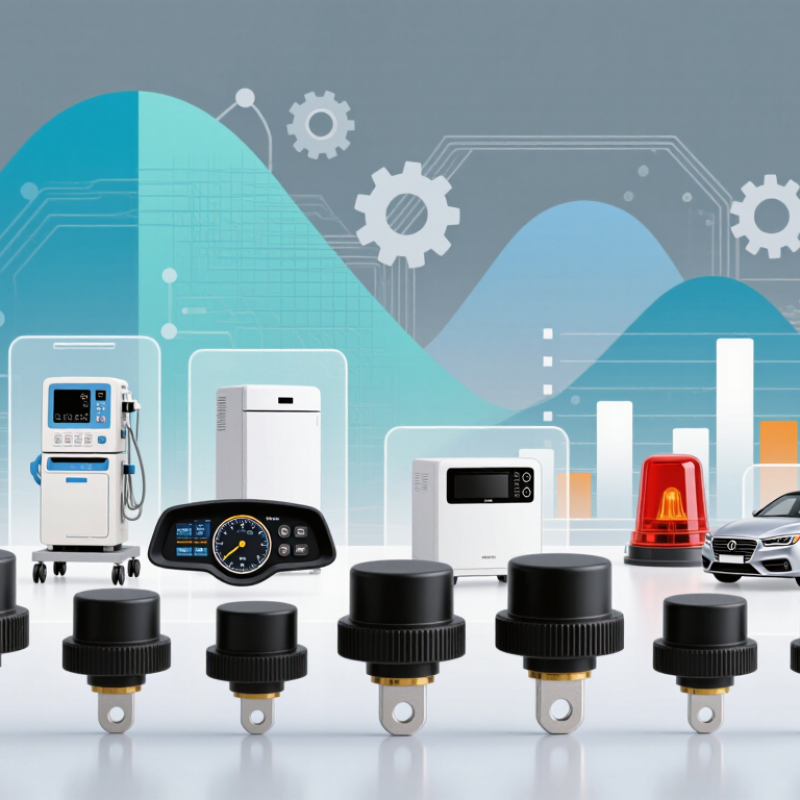
Active piezo buzzers contain built-in oscillators, making them practical for alarms, control panels, appliances, automotive alerts, and compact IoT equipment. Selection should begin with the application, not the supplier’s catalog size. Check rated voltage, current draw, sound pressure level, tone pattern, operating temperature, and expected duty cycle. A medical device may require quieter, controlled alerts, while industrial equipment may need strong sound through vibration and background noise.
Standards require careful interpretation. Confirm applicable RoHS, REACH, UL, IEC, and regional safety requirements with the supplier. EMC performance also deserves attention, especially near sensors or communication circuits. Ask for test reports, material declarations, production traceability, and inspection records. During evaluation, compare samples at the actual mounting position. Sound levels can change sharply inside plastic housings. This detail is often underestimated.
Tips: Request samples from at least two qualified suppliers. Test them at minimum and maximum voltage. Measure sound after thermal cycling, not only on day one. Review MOQ, lead time, packaging, replacement policy, and change-control procedures. A louder buzzer is not always better. In one design review, excessive volume caused user fatigue. That result challenged our original assumption. Suppliers should also explain oscillator stability and batch variation clearly. Vague answers are a purchasing risk.