How to Use Piezo Ceramic Disc in Various Applications?
The Piezo Ceramic Disc is a versatile component with numerous applications. It converts electrical energy into mechanical energy. This unique property makes it essential in various fields. Many industries utilize it for actuation, sensing, and sound generation.
In robotics, Piezo Ceramic Discs enable precise movements. They help create vibrations that power robotic limbs. In medical devices, they are used in ultrasound imaging. The ultrasound waves created assist in diagnostics. These applications show the disc's significant impact on technology.
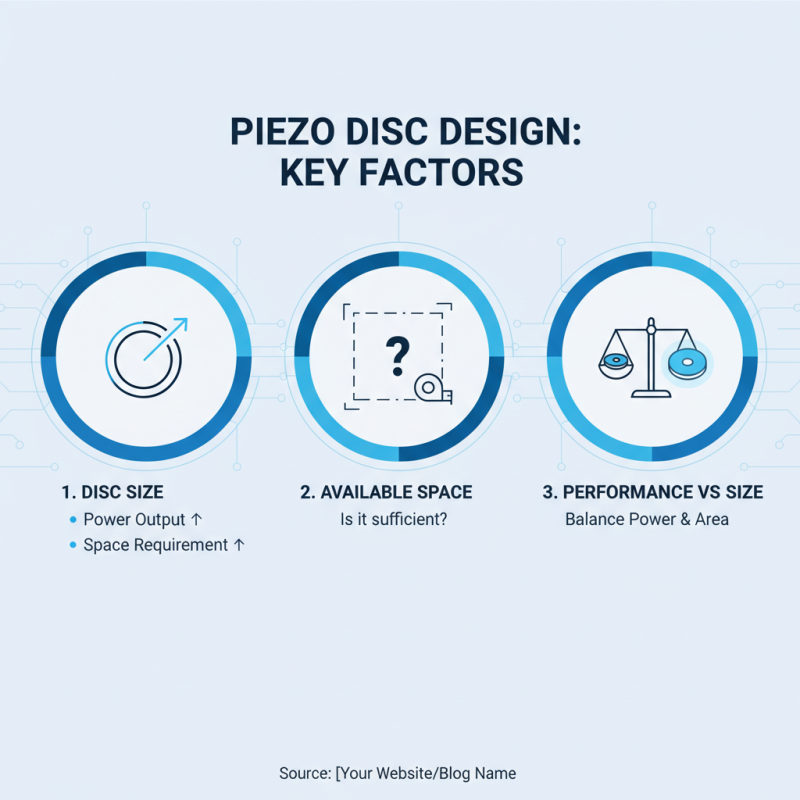
However, using the Piezo Ceramic Disc can be challenging. It requires proper integration into systems. Designers must consider its limitations. Understanding these aspects helps improve effectiveness and reliability. Balancing these factors is crucial for successful implementation.
Understanding Piezo Ceramic Discs: Basics and Characteristics
Piezo ceramic discs are fascinating elements with unique characteristics. They generate an electric charge when physically stressed, making them essential in various applications. These discs are often used in sensors, actuators, and ultrasonic devices. Their compact size and lightweight nature contribute to their versatility. A closer look reveals that they respond quickly to changes, which is critical for precise measurements.
Understanding their properties is crucial. Piezo ceramic discs exhibit high sensitivity, which can enhance the performance of many devices. However, their performance can vary under different conditions. Temperature and humidity might influence their effectiveness. So, careful consideration regarding the operating environment is necessary. Attention to details such as material composition is vital and often overlooked.
Moreover, while piezo discs are efficient, they aren't infallible. Misalignment during installation can lead to reduced efficiency. There’s a need for thorough testing to optimize their outputs. Sometimes, users also underestimate the impact of electrical connections on performance. A little reflection on these factors can lead to better application outcomes.
Common Applications of Piezo Ceramic Discs in Industry
Piezo ceramic discs have become essential components in various industrial applications. These materials are sensitive and can convert mechanical energy into electrical energy. In 2022, the market for piezoelectric devices was valued at approximately $23 billion, showing a steady growth trend as industries recognize their potential. In manufacturing, these discs are commonly used in ultrasonic cleaning. They generate high-frequency sound waves that help remove contaminants from complex parts.
Another significant application is in sensors. Piezo ceramic discs are integral in pressure sensors and accelerometers. These sensors can provide precise measurements critical for quality control in production lines. A study indicates that sensors utilizing piezo materials have improved accuracy by up to 20% over traditional methods.
However, the implementation of piezo ceramics isn’t without challenges. The fragility of these materials can lead to failures under excessive force. This requires careful design considerations. Additionally, piezoelectric devices can be relatively costly to integrate into existing systems. Balancing performance and affordability remains an ongoing concern.
Integration of Piezo Ceramic Discs in Medical Devices
Piezo ceramic discs have become invaluable in medical devices. Their ability to convert mechanical stress into electrical signals is crucial for many applications. For instance, they are often used in ultrasound machines, where they generate sound waves to create images of internal organs. The precision of these discs enables clearer and more accurate diagnostics.
In addition to imaging, piezo ceramic discs function in therapeutic devices. They deliver targeted ultrasound waves to treat conditions like tissue injuries. The principle is simple: the piezo discs vibrate to produce waves. These waves help increase blood flow and promote healing. However, the integration of these materials isn’t without challenges. Reliability and long-term performance need consideration, especially in implantable devices.
One must reflect on their placement and use. Discs need to be positioned correctly for optimal performance. Misalignment can lead to poor outcomes in therapies. Moreover, the durability of these components in a human body poses questions in medical design. Despite their effectiveness, ongoing research is essential to enhance their applications while ensuring safety and efficiency.
Maintenance and Troubleshooting of Piezo Ceramic Disc Systems
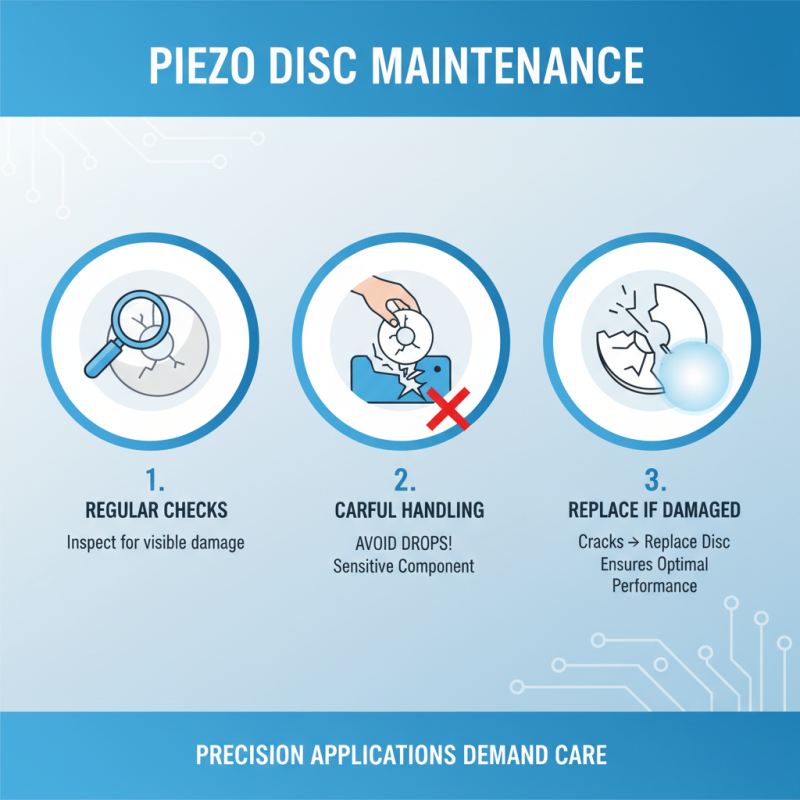
Maintaining piezo ceramic disc systems involves regular checks and careful handling. These components can be sensitive. A dropped disc might crack easily, leading to malfunctions. Check for visible damage regularly. If you notice cracks, it's crucial to replace the disc. This ensures optimal performance, especially in precision applications.
Cleaning piezo discs requires caution. Use a soft, dry cloth to avoid scratches. Wet cleaning can introduce moisture, which might cause shorts in electronic devices. If the system stops working, investigate the wiring first. Loose connections can often cause issues that seem related to the disc itself.
Calibration is equally important. Over time, piezo ceramic systems might lose their accuracy. Monitor performance closely. If you see fluctuations in output, recheck the calibration settings. Sometimes, a simple reset can solve the issue. It's helpful to document changes for future reference. Understanding these details can prevent bigger problems down the line.