10 Best Piezo Motion Applications You Need to Know?
In the world of advanced technology, "Piezo Motion" stands out. This innovative field has revolutionized various industries, from healthcare to robotics. Dr. Emily Tran, a leading expert in piezoelectric applications, once stated, “Piezo Motion bridges the gap between mechanical and electrical engineering.” Her insight captures the essence of this powerful technology.
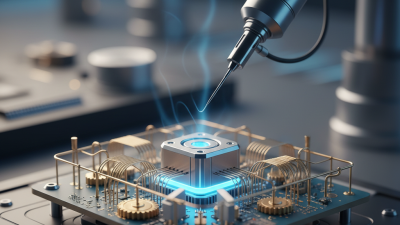
Piezo Motion utilizes small ceramic materials that expand and contract, generating precise movements. This feature has found applications in areas like miniature motors, sensors, and actuators. For example, piezoelectric motors in medical devices enable delicate and accurate movements crucial for surgeries. The versatility of Piezo Motion is remarkable, allowing for both linear and rotational movements in compact designs.
However, challenges remain. The limitations in power and size can restrict performance. Experts emphasize the need for ongoing research to enhance efficiency and effectiveness. Understanding these hurdles is vital for future advancements. With the right approach, the potential of Piezo Motion will undoubtedly grow, leading to more innovative applications across industries.
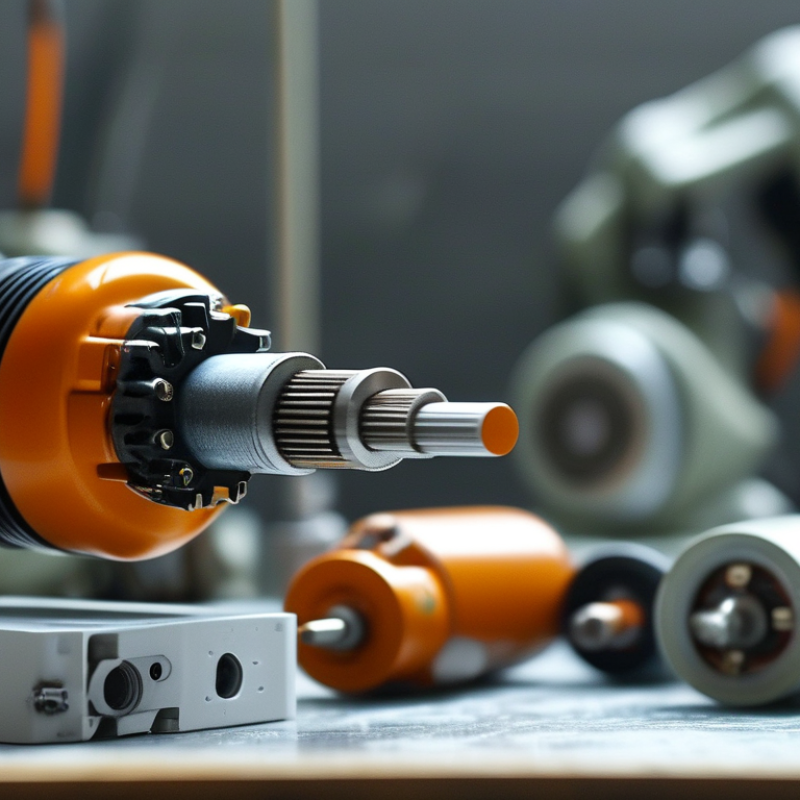
Understanding Piezo Motion Technology: Fundamentals and Mechanisms
Piezo motion technology utilizes materials that change shape when an electric field is applied. This effect, known as the piezoelectric effect, allows for precise motion control in a variety of applications. According to industry reports, the global piezoelectric devices market is projected to reach $33.92 billion by 2027. Such growth highlights the increasing reliance on this technology across sectors.
In robotics, piezo motion enables micro-movements essential for tasks like surgical operations or automated assembly. A recent study indicates that piezo devices can achieve displacement resolutions in the nanometer range, crucial for applications requiring high precision. Without this technology, many advancements in miniaturization and robotics would be hindered. However, the complexity of integrating piezo systems into existing frameworks poses a challenge that engineers face.
Furthermore, the energy efficiency of piezoelectric devices is notable. They convert mechanical energy into electrical energy effectively. The conversion rate can reach up to 90% in optimal conditions. Yet, real-world applications often face limitations. Environmental factors and material fatigue can impact their performance. Continuous research aims to overcome these challenges, ensuring better reliability and durability.
Key Industries Utilizing Piezo Motion: A Market Overview
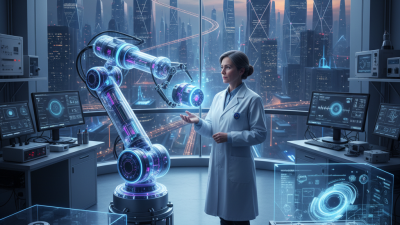
Piezo motion technology has revolutionized various industries, transforming how we approach precision and efficiency. In the medical field, piezoelectric actuators drive minimally invasive surgical tools. They make procedures safer and more accurate. The automotive sector utilizes piezo systems for fuel injection and sensor applications, contributing to better engine performance and reduced emissions. Robotics also benefits greatly, as piezo motors facilitate precise movements in robotic arms.
Tips: Consider exploring further into how these technologies could evolve. Keep an eye on emerging trends. They may offer new insights or innovations.
In the aerospace sector, piezoelectric devices assist in vibration control for aircraft, enhancing stability during flight. The electronics industry employs piezo materials in speakers and microphones. These applications highlight how versatile piezo motion can be, serving diverse needs across multiple fields. However, challenges remain. The cost of implementation can be high, and technical expertise is often required for integration. This gap might hinder widespread adoption.
Tips: Engage with industry experts when exploring piezo solutions. Networking may open doors to innovative applications and collaborations.
10 Best Piezo Motion Applications You Need to Know
| Application Area |
Industry |
Key Benefits |
Market Growth (%) |
| Consumer Electronics |
Electronics |
Compact design, Low power consumption |
5.4 |
| Medical Devices |
Healthcare |
High precision, Reliability |
6.8 |
| Automotive Sensors |
Automotive |
Fast response time, Durability |
4.2 |
| Industrial Automation |
Manufacturing |
Increased efficiency, Cost savings |
5.9 |
| Telecommunications |
Telecom |
Enhanced signal processing, Miniaturization |
7.1 |
| Aerospace Actuators |
Aerospace |
Weight reduction, Reliability under extreme conditions |
6.5 |
| Robotics |
Robotics |
Precision movements, Flexibility |
8.3 |
| Optical Technology |
Optics |
Improved imaging, Compact solutions |
5.6 |
| Energy Harvesting |
Energy |
Sustainable energy sources, Enhanced efficiency |
9.0 |
| Defense Systems |
Defense |
High reliability, Real-time responsiveness |
7.4 |
Top 10 Applications of Piezo Motion in Robotics and Automation
The field of robotics and automation increasingly relies on piezo motion technology. This technology allows for precise movements in various applications. According to a recent market report, the piezoelectric devices market is expected to reach $36 billion by 2025, highlighting their importance in contemporary tech.
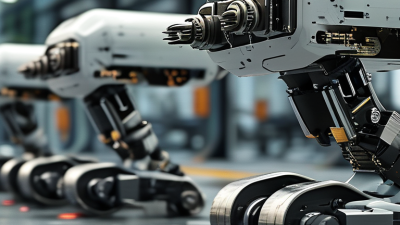
One significant application of piezo motion is in robotic surgical instruments. These devices utilize piezoelectric actuators for minimal invasiveness and high precision. Reports suggest that surgeries performed with piezo technology can reduce recovery times by 30%. In addition, robotic arms equipped with piezo components can achieve micrometer-level accuracy. Such precision is critical in manufacturing scenarios, particularly in electronics assembly, where even slight misalignments can result in significant losses.
Furthermore, piezo motion is essential in automated inspection systems. These systems use piezoelectric transducers to detect faults in products on assembly lines. The efficiency of this technology leads to a noticeable reduction in defective products. However, adoption rates vary widely across sectors, revealing a gap in awareness and understanding. This disparity indicates potential areas for growth in education and technical training regarding piezo technology in the industry.
Top 10 Applications of Piezo Motion in Robotics and Automation
Innovations in Medical Devices Driven by Piezo Motion Technology
Piezo motion technology is transforming the medical device landscape. This innovation utilizes the unique properties of piezoelectric materials. They generate electricity when mechanically stressed. This phenomenon allows devices to be smaller, more efficient, and highly responsive.
One notable application is in ultrasound imaging. Piezo actuators enhance the precision of image capture. They adjust quickly, which results in clearer and more detailed visuals. Moreover, piezo technology is improving drug delivery systems. These systems can now administer medication with micro-precision, offering better patient outcomes.
However, challenges remain. The integration of piezo components in medical devices can be costly. Additionally, the durability of these materials under constant stress raises concerns. Despite these hurdles, ongoing research promises advancements. The future may see even more innovative uses in minimally invasive surgeries and smart prosthetics. Understanding these developments is crucial for healthcare professionals.
Comparative Analysis: Piezo Motion vs. Other Motion Control Technologies
When exploring motion control technologies, piezoelectric motion stands out for its unique benefits. Unlike traditional motors, piezo systems leverage the properties of crystals. This allows for precise and quick movements. In applications requiring micrometer-level accuracy, piezo technology shines. However, there are limitations. High power demands can be a drawback, impacting efficiency.
Comparatively, stepper and servo motors provide different advantages. Stepper motors offer simplicity and cost-effectiveness. Yet, they lack the speed and precision of piezo systems. Meanwhile, servo motors excel in applications needing continuous rotation but usually come with increased complexity.
Choosing the right technology depends on specific use cases. Evaluating factors like the required speed, precision, and control complexity is critical. Each system has its strengths and weaknesses, often needing careful consideration before implementation.